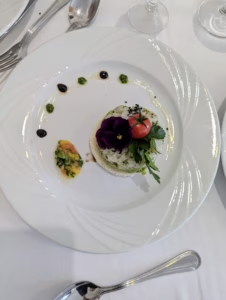
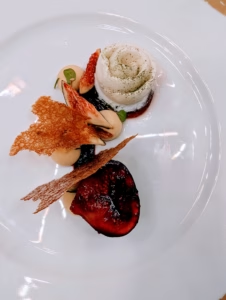
The wedding menu is one of the highlights guests look forward to most. Far more than just a dinner, it reflects the couple's style, delights the palate, and adds to the magic of the big day. To help you design a menu that is harmonious, delicious, and memorable, we offer our tips and ideas, along with advice on which foods to prioritize or avoid. Choosing your wedding menu is also a unique opportunity to share your personal tastes and tell a story through the dishes you serve. Whether you opt for traditional, modern, or even exotic cuisine, it is important that the menu aligns with the atmosphere you wish to create for your reception.
1. Define the wedding menu style
Above all, the choice of menu must suit your wedding style:
Classic and elegant? Opt for a plated menu with table service.
Chic and casual? A buffet or a shared meal ("family-style") is an excellent option.
Rustic or bohemian wedding? Why not a food truck or a gourmet barbecue!
- Modern and innovative? Opt for an experimental wedding menu featuring fusion dishes or molecular gastronomy to surprise your guests.
2. Recommended Foods for a Successful Wedding Menu
Starters: Lightness and Refinement
Salmon, avocado, and mango tartare
Beef or scallop carpaccio
Seasonal creamy soup (asparagus, red kuri squash, peas)
Main Courses: Flavor and Balance
Beef tenderloin with morel sauce, potato gratin
Cod or sea bass fillet on a bed of crisp vegetables
Chicken supreme stuffed with mushrooms and homemade purée
Desserts: Freshness and Indulgence
Traditional French croquembouche or classic tiered wedding cake
Mini-dessert buffet: macarons, dessert cups, éclairs
Lemon meringue tartlet or fruit-based entremets
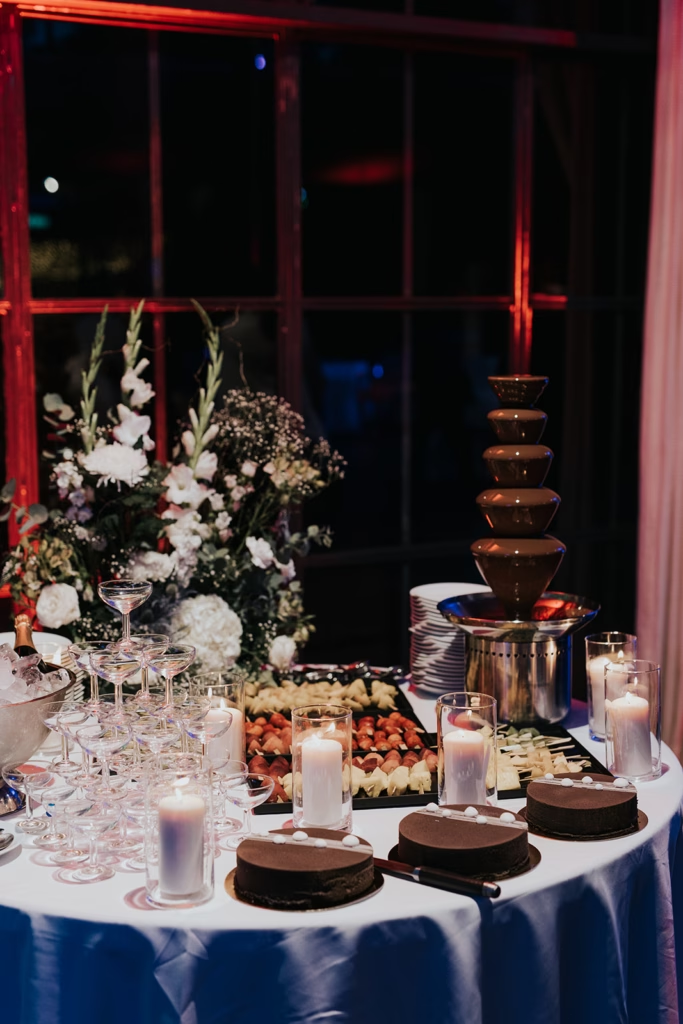
3. Foods to Avoid or Limit on a Wedding Menu
Too many heavy or spicy sauces
Dishes that are overly rich or very spicy can weigh heavily on the stomach and do not suit every palate.
Raw fish or seafood (unless ultra-fresh)
Increased health risks, especially in summer or for large groups. Opt for cooked or marinated versions.
Undeclared allergenic foods
Watch out for nuts, shellfish, lactose, and gluten: always indicate allergens or provide allergen-free options.
Dishes that are too innovative or divisive
A wedding is not the best time to experiment with exotic or highly unconventional wedding menus, unless the theme allows for it.
4. Wedding Menu: Special Options for Vegetarians, Gluten-Free Guests, and Children
Consider suggesting:
A creative vegetarian wedding menu (mushroom risotto, stuffed vegetables, vegetable curry)
A gluten-free or lactose-free alternative
A simple and fun kids' menu: homemade nuggets, mashed potatoes, chocolate cake.
5. Bonus tip for a wedding menu: Advance tasting
Arrange a tasting with your caterer to sample the dishes and adjust the flavors to your liking. It is also an opportunity to check the presentation and portion sizes.
This step allows you to avoid unpleasant surprises on the big day and fine-tune the details to offer your guests a wedding menu that truly reflects your vision. Don’t hesitate to invite loved ones to the tasting to get their feedback; this can help you finalize your choices and make adjustments to certain dishes.
Conclusion
A great wedding menu should appeal to as many guests as possible, reflect your personal tastes, and complement the day’s atmosphere. By prioritizing freshness, quality ingredients, and a balance of flavors, you ensure a meal that delights every palate. And above all, remember: the most important thing is that this shared experience truly reflects who you are.
Do you dream of a bespoke wedding? Contact Smart Mariage, your partner for a stress-free, emotion-filled big day.